What Your Business Photos Are Really Saying About You
AI imagery is everywhere right now. It is fast and easy, and it can create a polished image in seconds. I understand why business owners are curious, especially when marketing already feels expensive and time-consuming.
Here is where I’m going to call it like it is. I do not love AI imagery when it is used to represent the real person behind a business.
I’m not anti-technology. I use digital tools in my work, and I think AI can be useful when it is used as a tool. The issue starts when AI is used to replace you: your face, your team, your workspace, your client experience, and your actual personality.
That is where trust gets shaky.
Your brand images are not just decoration. They are part of how people decide if they trust you, and trust is still very, very human.
The real issue is trust
People want to see you. They want to see the person behind the business and get a feel for your personality, your energy, your process, and what it might be like to work with you. This matters even more if you are a service-based business.
A realtor, attorney, doctor, chiropractor, massage therapist, financial advisor, coach, consultant, creative, or local business owner is not just selling a service. You are asking people to trust your experience, your judgment, and the way you care for them.
Before someone ever reaches out, they are asking quiet questions. Do I feel comfortable with this person? Do they seem professional? Do they seem warm? Do they know what they are doing? Can I picture myself working with them?
That is hard to answer when your visuals feel fake, overly polished, or disconnected from real life. It is even harder if the image representing you does not actually look like you. Eventually, that person will meet you on Zoom, in person, at a consultation, at a listing appointment, or at your office.
When the person they meet does not match the person they saw online, there is an immediate crack in trust. Maybe they do not say it out loud. They feel it.
AI has a place
AI imagery can be useful. It can help illustrate a point, support a blog post, or create a visual concept that would be hard or expensive to photograph. It can also be helpful for creative brainstorming.
That is the key word: illustrate.
If you are using AI to explain an idea, fine. If you are using AI to pretend it is you, that is a problem.
I also believe AI-generated images should be labeled clearly. It does not need to be dramatic. A simple note like “AI-generated image” or “Image created with AI to illustrate this concept” keeps things clear and honest.
As AI-generated content becomes more common, transparency matters. Adobe reported that AI-generated content has increased skepticism around online content and that many consumers want more clarity about how content is created or edited.
Use AI when it makes sense. Do not use it to replace the real person your clients are hiring.
Where AI falls short
AI images may look good at first glance. Then you look closer. The hands are odd, the skin is too smooth and plasticky, the smile is too perfect, or the office looks like every fake office on the internet.
After a while, it all starts to look the same. That is one of my biggest concerns. AI images can become very common very fast because everyone starts using the same lighting, the same fake-perfect people, the same glossy style, and the same trends.
Suddenly, instead of helping your brand stand out, your images raise new red flags or make you blend in with everyone else using the same AI styles and trends. You just traded your key differentiator — you — for something mass-generated by anyone who found the same prompt on the internet.
That is where AI can work against you.
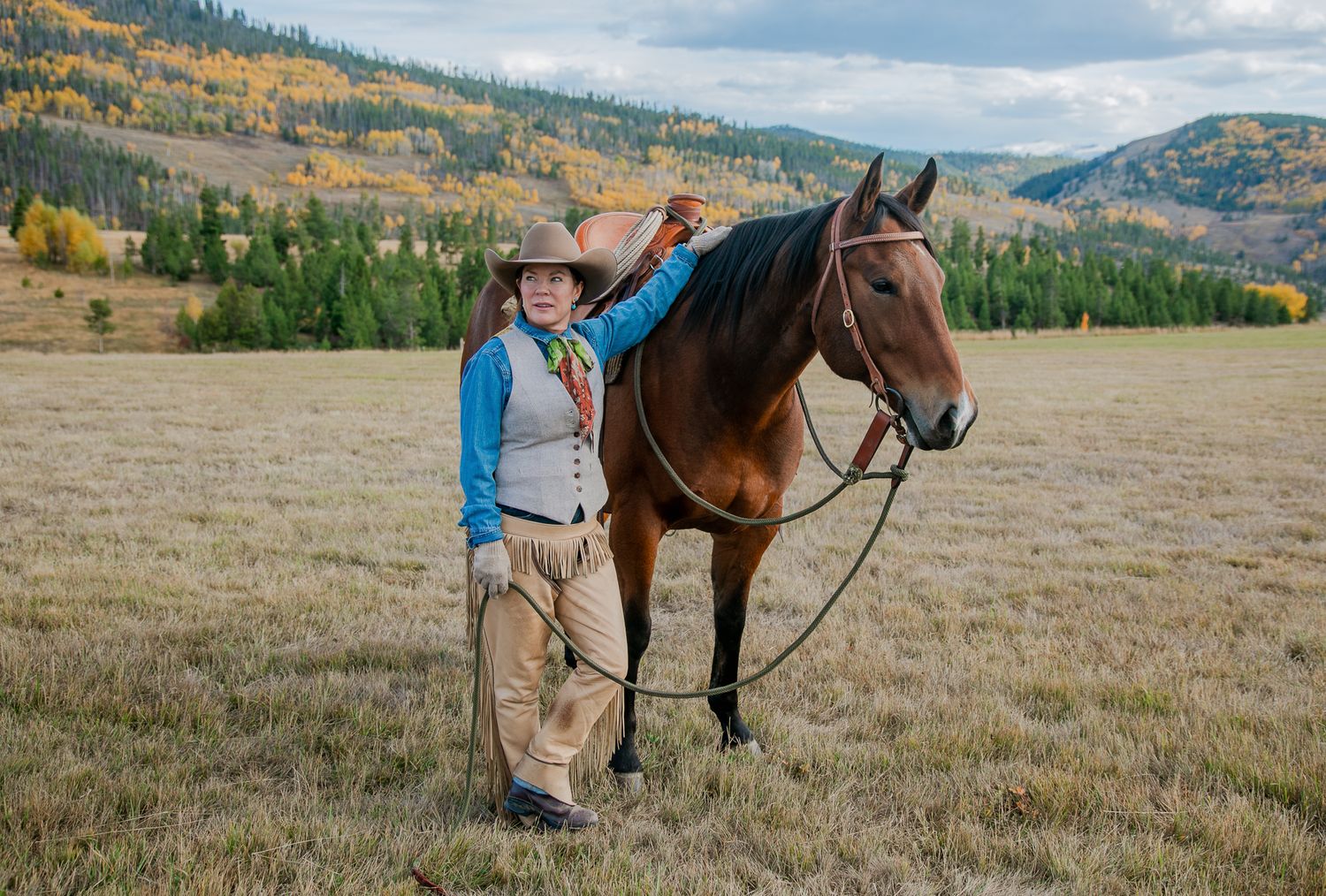
Your brand photos should feel specific to you. They should show your personality, your process, your space, your way of serving your clients, your warmth, your confidence, and your actual face.
AI can guess. AI can generate. AI can mimic. It cannot know what it feels like to work with you.
Perfect is not the goal
Looking too perfect can make you less relatable. Your clients are not looking for a flawless robot version of you. They are looking for someone they can trust.
They want to know you understand their problem. They want to know you have helped people like them. They want to know you are capable, warm, and real.
Professional matters. Fake does not.
A strong brand image can be clean, beautiful, elevated, and professional while still feeling like you. That is the sweet spot. PPA’s professional headshot research found that many clients prefer a “mostly formal, with a bit of personality” style, while others prefer a balanced mix of formal and casual.
That makes sense. People want to look professional while still looking like themselves.
Real brand photography has a job
Brand photography is not just about getting a pretty picture. Pretty is nice. I love pretty. For a business, pretty is not enough.
Your photos need a purpose. They need to help someone understand who you are, what you do, how you work, and why they should trust you. That takes strategy.
Before a brand session, I want to know what story we are telling, what offers you are promoting, what kind of clients you want to attract, what objections you are trying to overcome, and where the photos will be used.
Once we know the story, the rest starts to fall into place. Location, wardrobe, props, colors, shot list, expressions, and client experience all come from that bigger strategy.
The goal is not to create a folder full of photos you never use. The goal is to create images that work across your website, LinkedIn, Instagram, email marketing, speaking pages, proposals, ads, media kits, and content.
That is what makes brand photography different from just taking pictures.
A real example: the realtor who needed to feel trustworthy
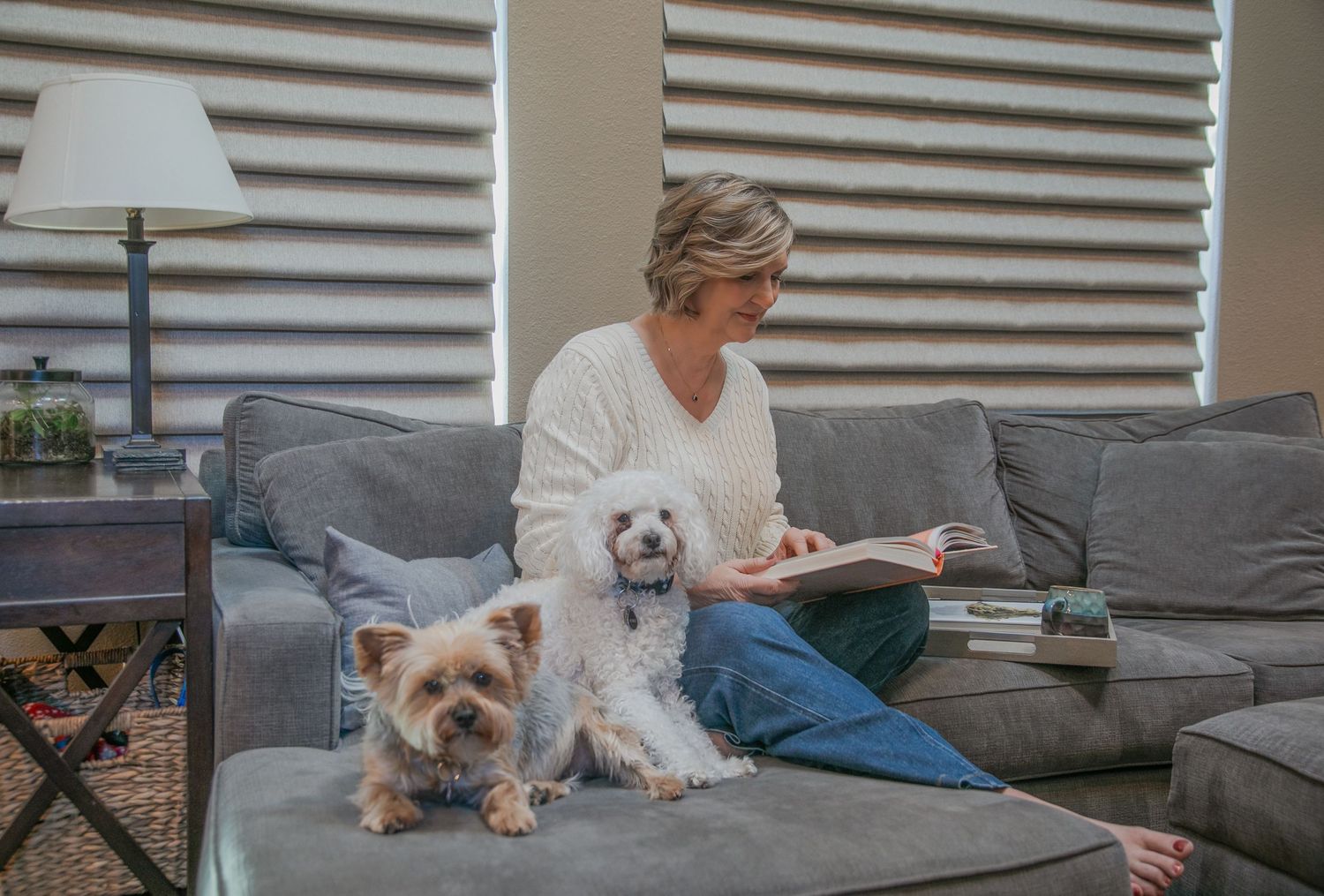
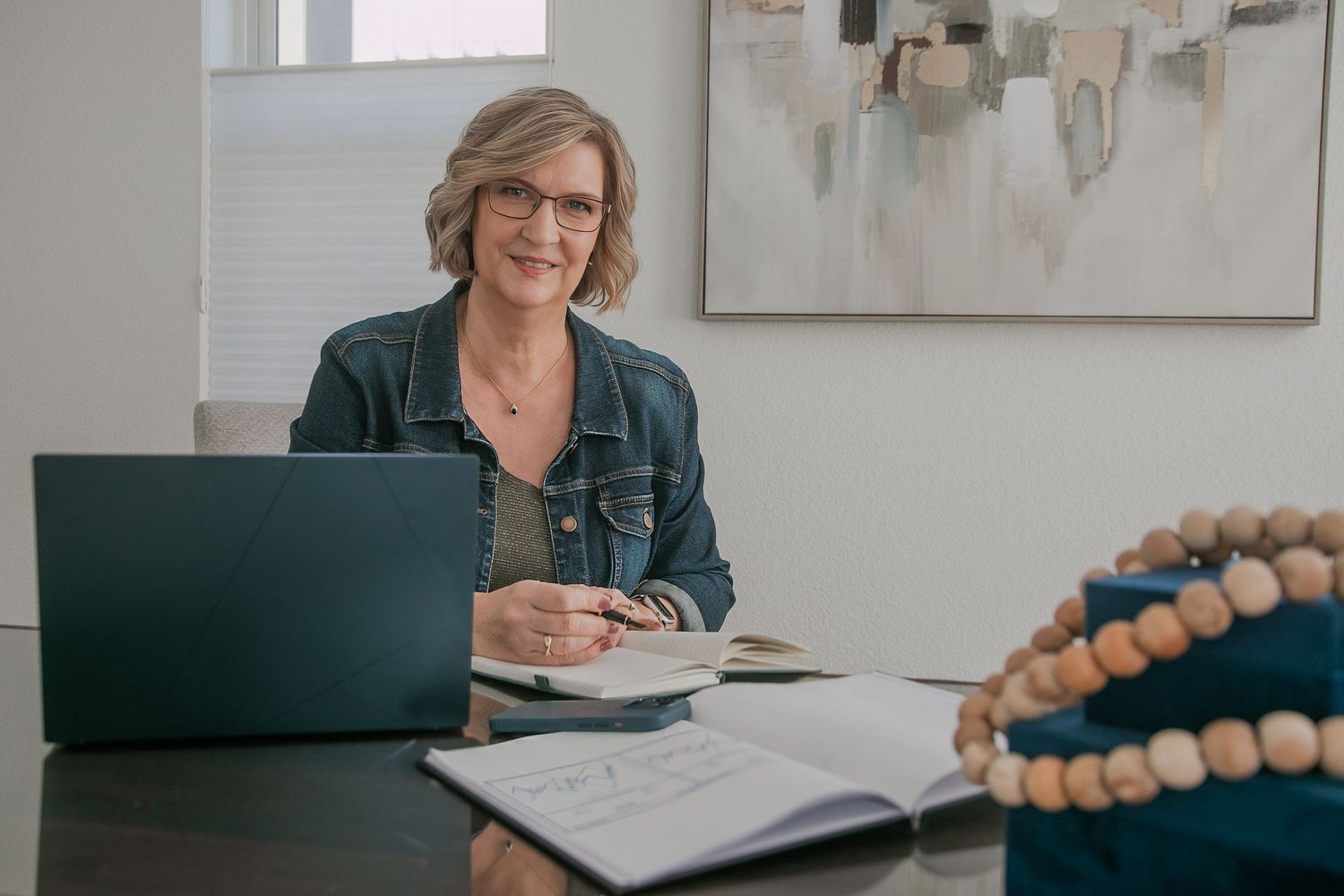
I worked with a real estate client who wanted her images to show that she was genuine, experienced, helpful, and easy to work with. That matters in real estate because people are trusting you with one of the biggest decisions of their lives. They want to know you are capable, and they also want to know you care.
She came into the session with concerns about how she felt she looked in pictures, and we discussed both her favorite parts of herself and her less-than-favorite parts. She didn't want to look fake, or feel stiff, or be overly posed.
By the end, she was proud of her photos. She felt comfortable, confident, and like herself. She also could not believe the session was already over because it had been so easy and fun.
That is what real brand photography can do. It does not just create images. It changes how someone feels about showing up.
A real example: the virtual assistant with the superhero cape
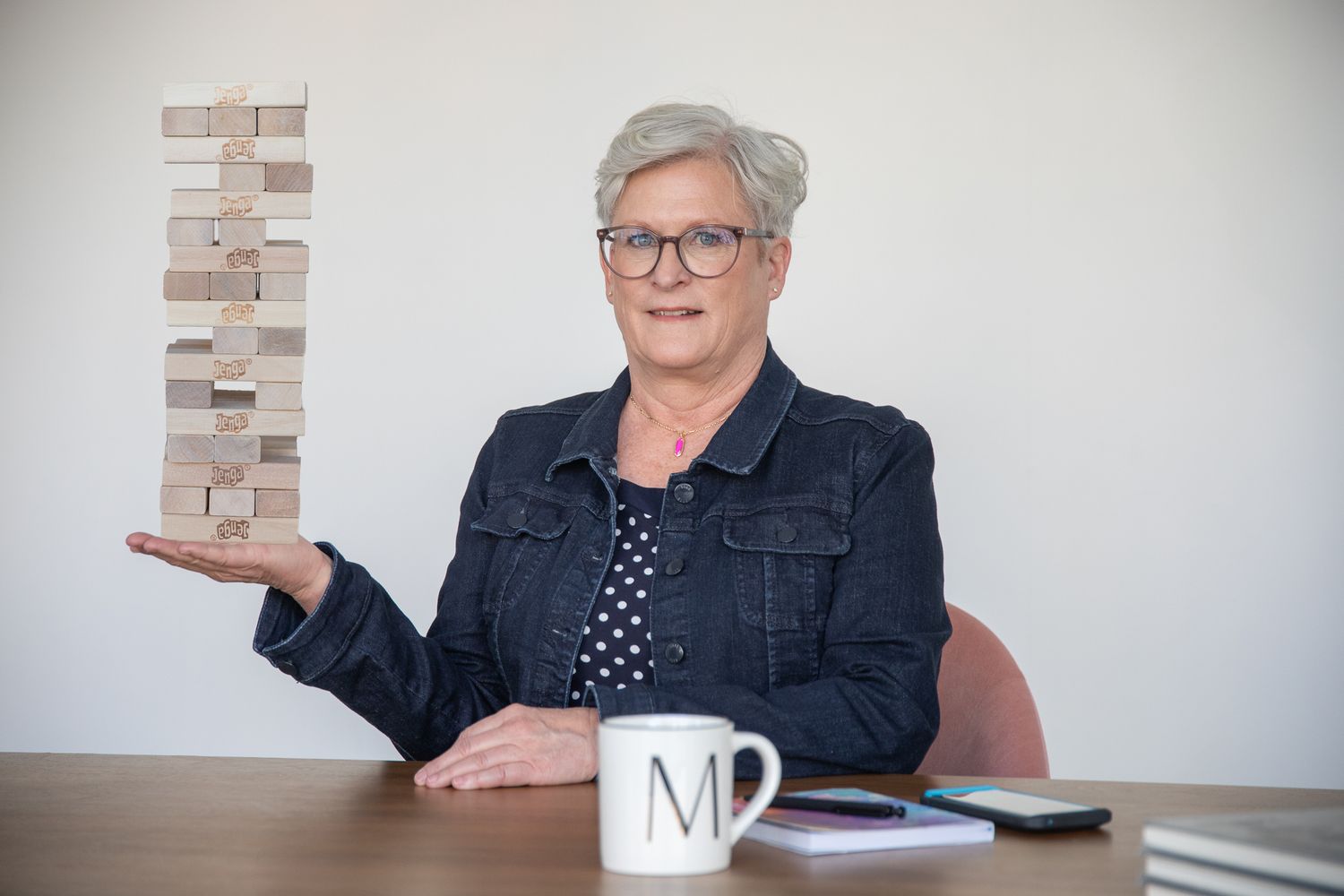
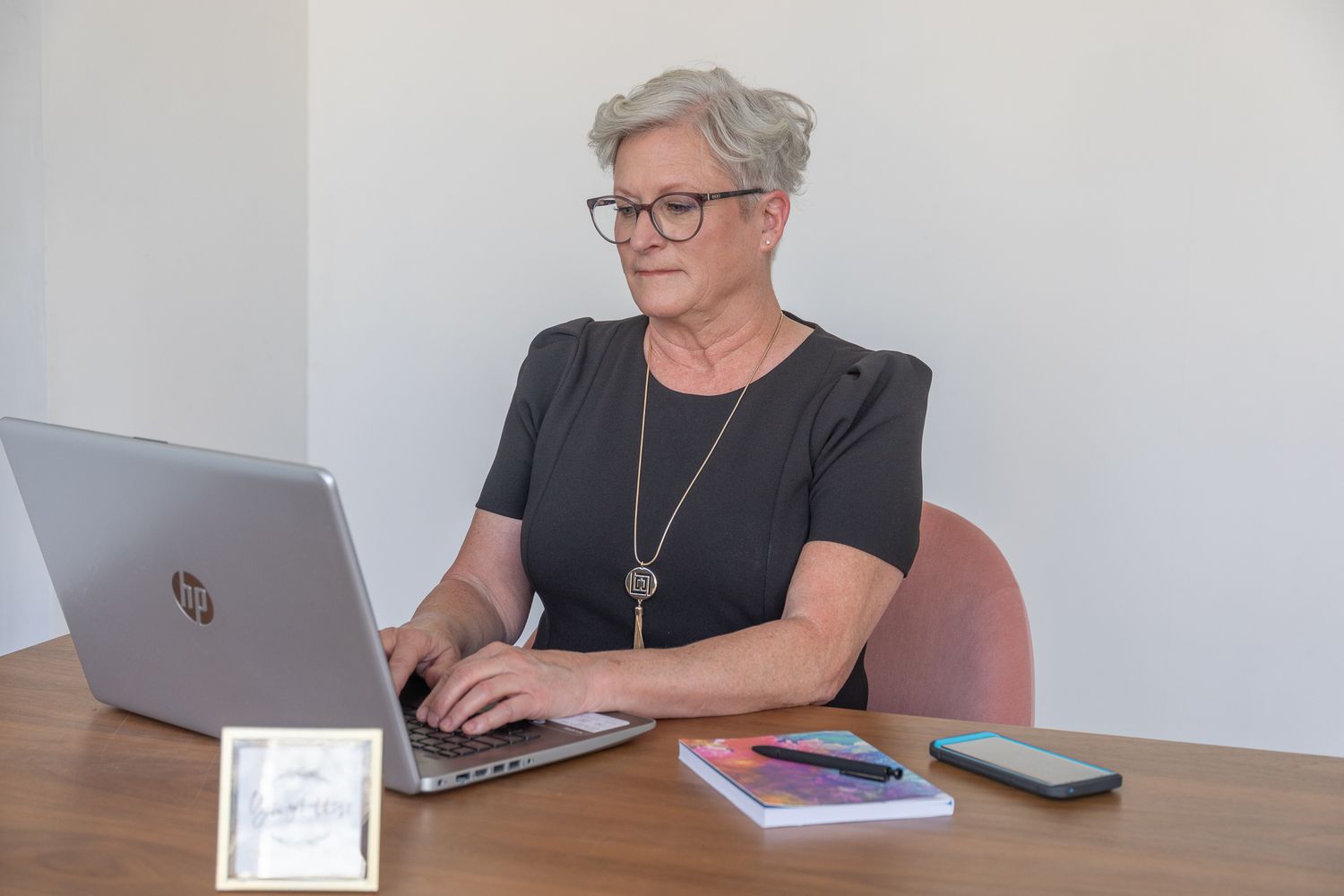
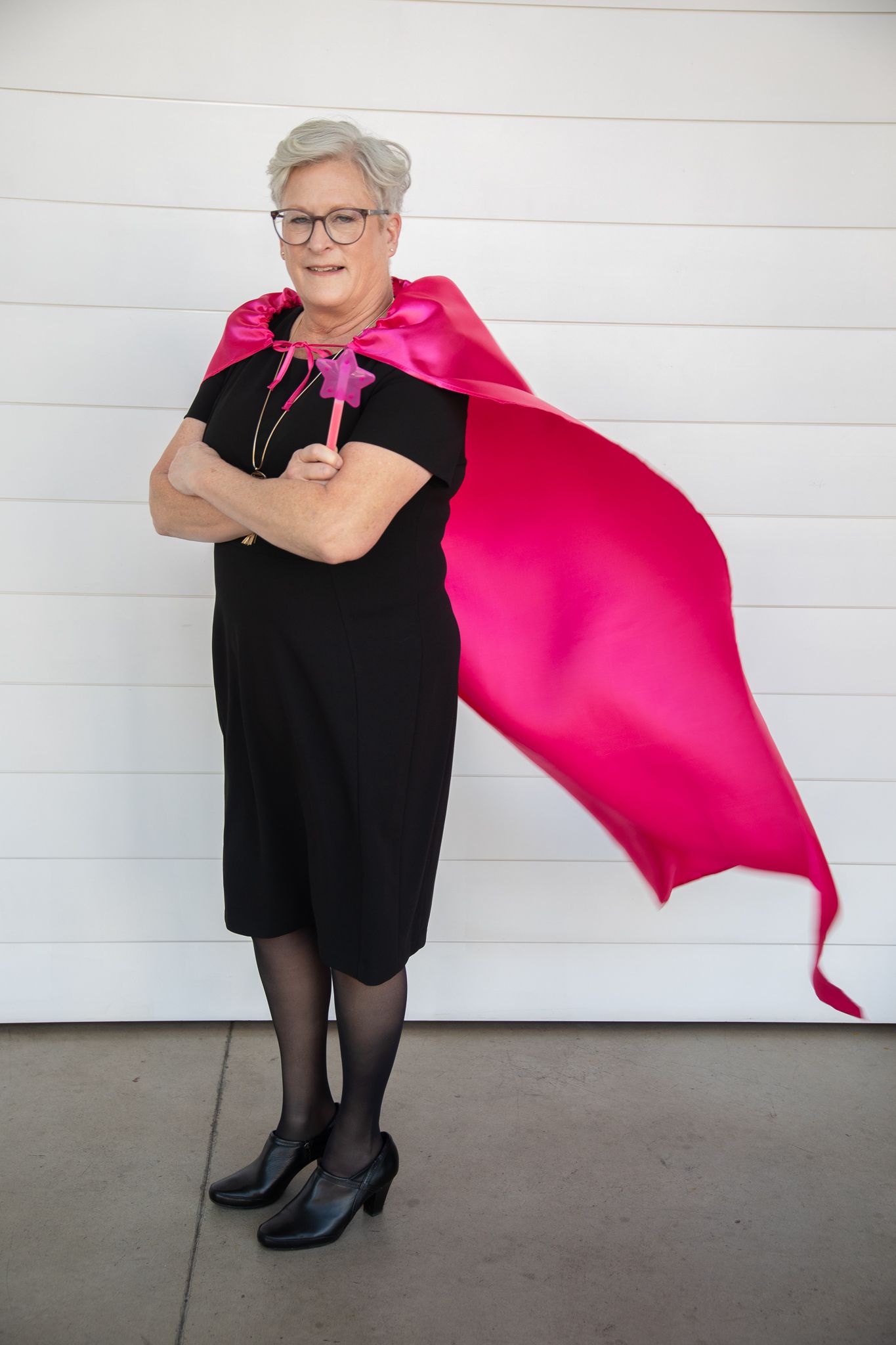
One of my favorite brand sessions was for a virtual assistant. Her work is behind the scenes. She helps business owners with the things they do not want to do, do not know how to do, or are not good at doing.
She comes in and makes things happen.
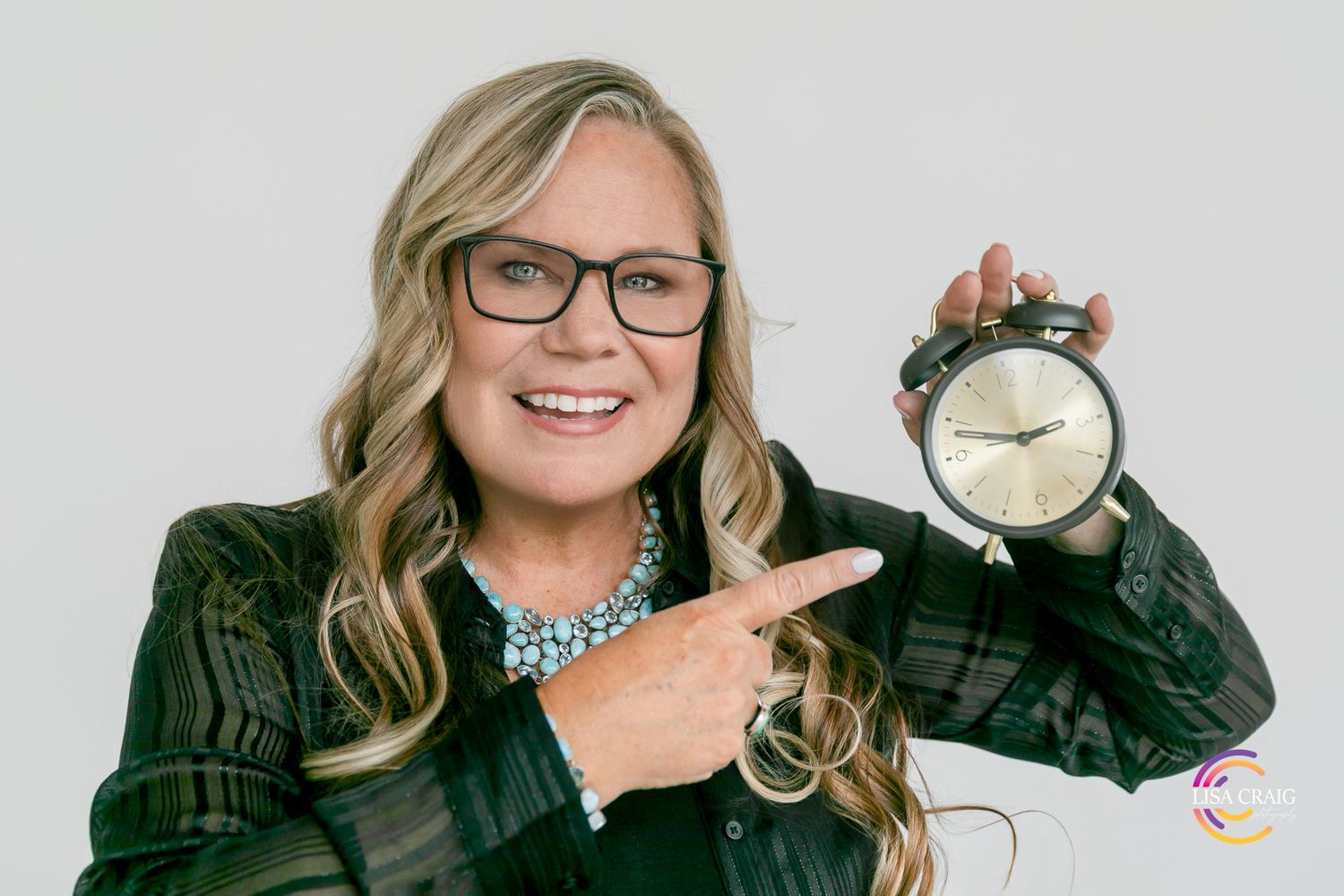
We built the session around that idea with a magic wand and a superhero cape. The images made the invisible parts of her value visible.
The power was not in the props. The power was in the strategy behind them. The photos told a story that her future clients could quickly understand: “She makes my life easier.”
That is what great brand photography does. It cuts to the chase of trust.
Stock images and AI images can weaken your brand
Generic images are easy. That doesn't mean they're working.
Stock photos don't show what it is like to work with you. They don't show your process, your personality, your space, or the way you care for clients. Other businesses can use the exact same images, which means they won't help you stand out.
AI can create the same problem, just in a different outfit. You may get an image that looks nice, but it can't show the real business, the real person, or the real experience.
For a service-based business, that is a big miss.
Anchor images every small business owner needs
You don't need a million random images. You need the right images.
I call these your anchor images. They are the core photos that help your business show up consistently and clearly.
You need a strong headshot that is current, professional, and actually looks like you. PPA’s 2025 headshot research found that 60% of clients see their headshot as part of their personal brand, not just a work requirement.
You also need a confident full-body image, an image of you working with a client, a customer service or consultation image, a lifestyle image, a personality image, and a behind-the-scenes image that shows how you work.
These images become the foundation for your content. When planned well, they anchor your image library and your marketing materials.
When should you invest in brand photography?
If your business is trying to grow, you need real photos. If you are showing up online, you need images that look like you. If you are ready to move past the 6-figure mark, you need visuals that elevate how people see your business.
Professional brand photography is especially important when you're updating your website, becoming more visible on LinkedIn, launching a new offer, or are tired of using the same photo ad nauseam. It also matters when your current photos no longer reflect who you are or when your business is ready to attract clients who take your work seriously.
Your future clients are paying attention. They're watching and deciding what they think before they ever contact you.
Your images are already talking. The question is whether they're saying the right thing.
How often should you update your brand photos?
For headshots, I recommend updating about every six months if your appearance has changed. A new hair color, major weight change, different style, or anything that makes you look noticeably different is a good reason to update.
For brand photography, a cadence of once every 12 to 18 months is a good rhythm for many businesses. If you use the same image every week, people stop seeing it. It becomes visual wallpaper that no one notices because they're familiar with it.
If you post often, launch often, or run campaigns, quarterly content sessions may make more sense. Fresh visuals help keep your marketing current and keep your audience engaged.
What to do before your brand session
The most useful brand photos start before the camera ever comes out. Before your session, look ahead to your next six to twelve months and consider what you're promoting, what services you want to grow, and what questions clients keep asking. Think strategy, not a bunch of random snaps.
Think about the objections people have before hiring you. Think about the stories your visuals need to tell. Think about the parts of your process that people need to understand so they can identify that you can solve their situation.
This is where planning makes all the difference. We don't just pick a cute outfit and hope for the best. We look at the business, the goals, and where the images will be used.
Then we build the session around that. That is how you get photos you actually use.
Use AI as the helper, not the hero
Use AI as a tool. Use brand photography as your foundation.
AI can support your content, illustrate a point, help you brainstorm, or fill a creative gap when a real photo is not practical. Your face, your client experience, your process, your personality, your team, and your trust should be real.
I believe we should represent ourselves honestly. I believe we should be proud of who we are and what we do. I believe our images should reflect the quality of what we deliver to our clients.
That doesn't mean you have to look perfect. It means you need to look real, confident, approachable, and aligned with the business you're building.
The goal isn't just to have better photos. The goal is to create images that help people understand who you are, what you do, and why they can trust you.
We make sure every image fits your message, your brand, and your vision.
Ready to see what your current brand images are really saying?
If your photos no longer feel like you anymore, or if you are not sure whether your visuals are helping or hurting your brand, this is a good time to take a closer look.
Your images should do more than fill space. They should help people recognize you, trust you, and understand why they should work with you.
That is exactly what we look at in a free brand audit.
We will review your current visuals, your website, your social media presence, and the places where your images may be working well or quietly holding you back. You will walk away with a clearer understanding of what your brand is communicating now and where stronger photography could help you show up with more confidence and consistency.
If you are ready for images that feel more real, more useful, and more aligned with the business you are building, schedule a free brand audit with Lisa Craig Photography.
Let’s create brand images that look like you, sound like you, and support where your business is going next.
Serving Denver, Thornton, Broomfield, and Colorado’s Front Range.
